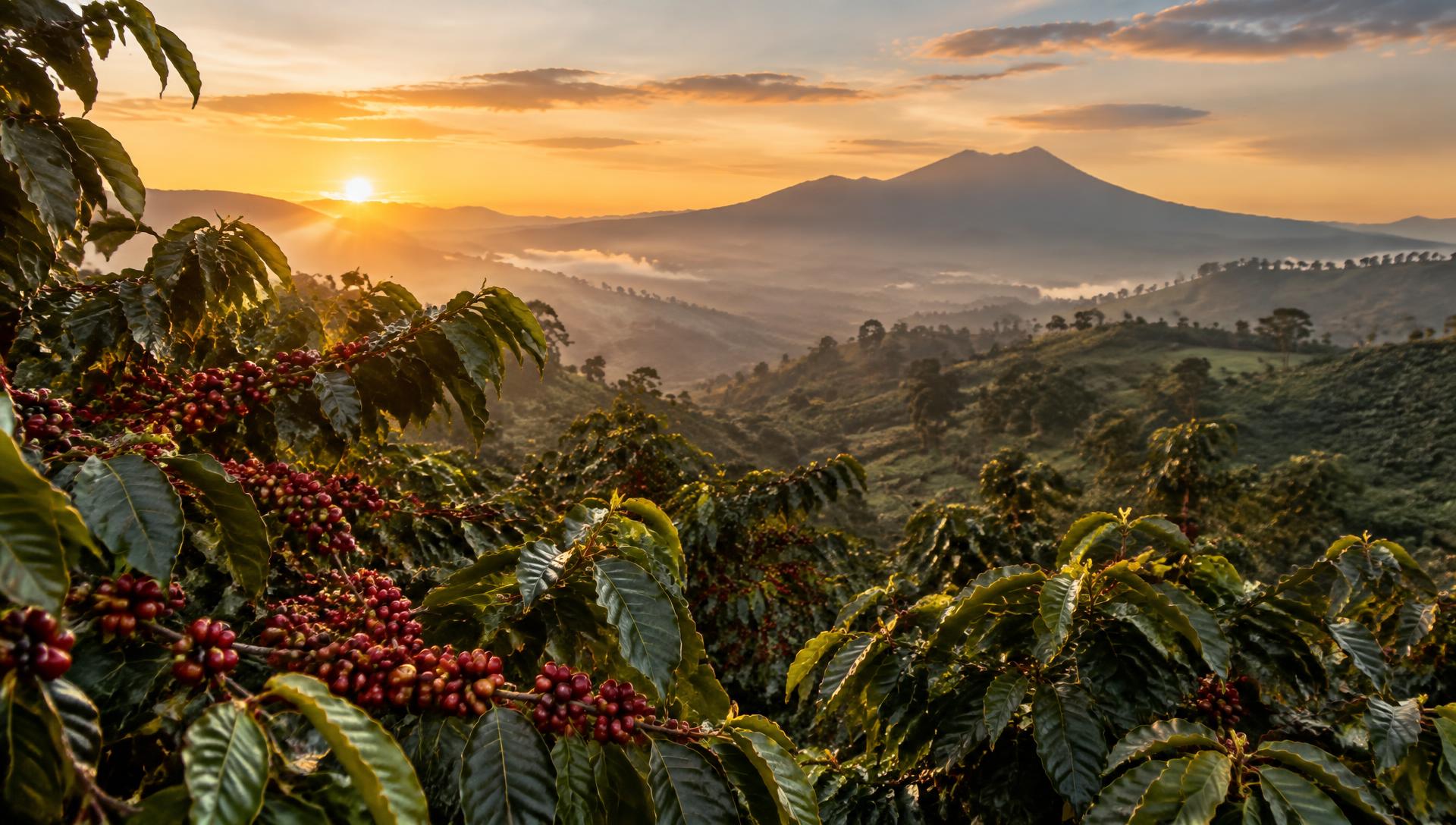

Coffee trees on a misty East African highland farm
Sourcing coffee and avocado from East African originsContact Us rimallimited@gmail.com +254 740 759 359

Insights · Coffee education

Arabica vs
Robusta.

Two species, two climates, two very different cups. Here is what separates Arabica from Robusta in the field, in the roaster and in the price sheet.

What is the difference between Arabica and Robusta coffee?

Arabica (Coffea arabica) grows in cool highlands above roughly 1,200 m, delivering brighter acidity, floral and fruit aromatics and about half the caffeine of Robusta. Robusta (Coffea canephora) grows in warmer lowlands, resists disease better, yields more, and gives a heavier, more bitter cup with thick crema. Arabica suits filter and specialty roasting; Robusta suits espresso blends and instant coffee.

1. Climate and altitude decide everything else

The two species evolved in different environments, and almost every other difference follows from that. Arabica needs cool nights, 15–24 °C, and a defined dry season to ripen slowly. That slow ripening is what builds sugars and organic acids, so highland Arabica from Kenya, Ethiopia and Mount Elgon tends to cup higher. Robusta tolerates 22–30 °C, heavier rainfall and lower elevations, which makes it the reliable crop across Uganda's central lowlands.

2. Taste: acidity and aromatics versus body and strength

In the cup, washed East African Arabica reads as citric or blackcurrant-bright with a silky body, while natural-processed Arabica leans into ripe fruit and sweetness. Robusta is lower in acidity with a grainy, cocoa-and-nut bitterness, a much heavier body, and a persistent finish. Blenders use that contrast deliberately: Arabica for flavour, Robusta for structure.

3. Caffeine, disease resistance and yield

Caffeine is a natural insecticide, and Robusta's higher content is part of why it shrugs off pests and coffee leaf rust that damage Arabica. Robusta also yields more cherry per tree with lower input costs. Arabica's fragility and lower yield are the main reason it carries a premium on the market.
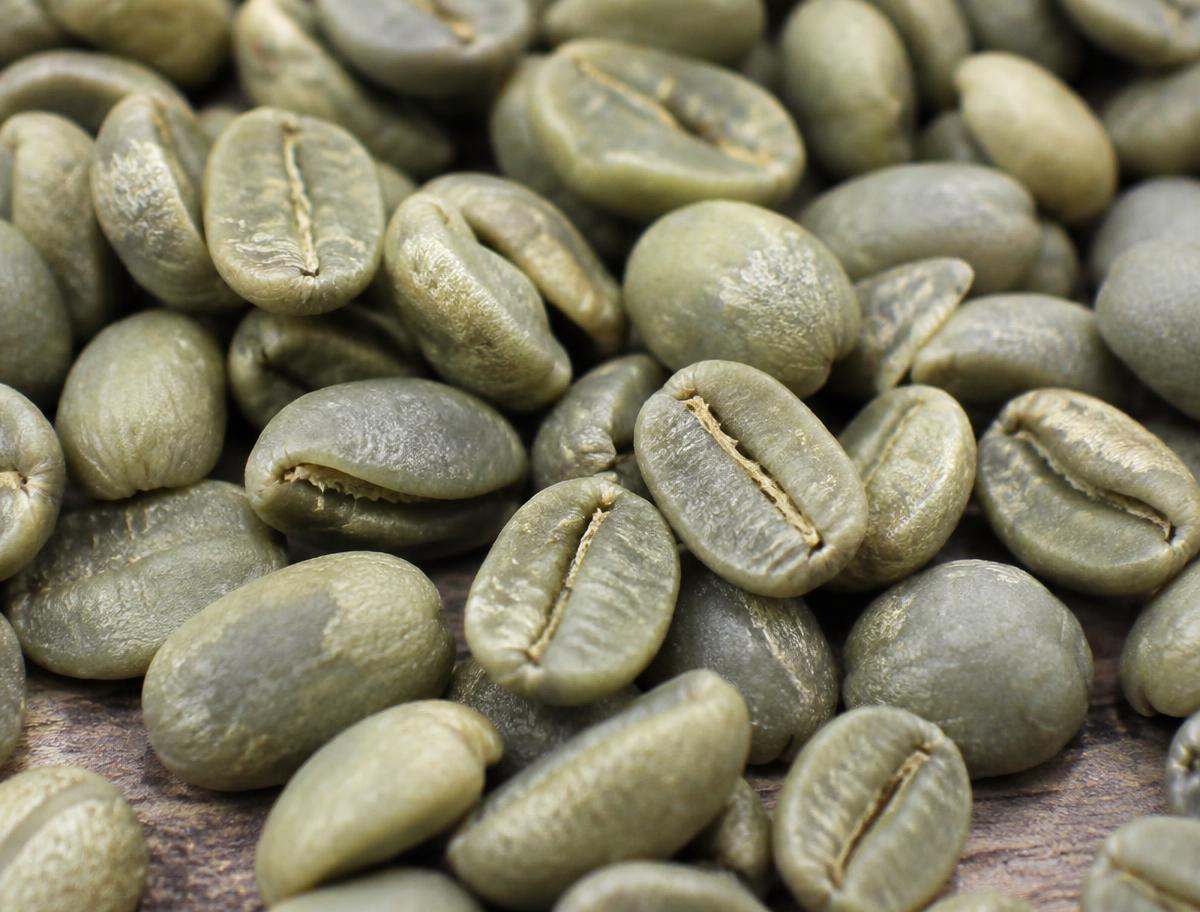
Graded green coffee beans ready for export

4. Side-by-side specification

Growing altitude
Arabica: Typically 1,200–2,200 m · Robusta: Typically sea level to 1,500 m
Temperature
Arabica: 15–24 °C · Robusta: 22–30 °C
Caffeine
Arabica around 1.2–1.5% · Robusta around 2.2–2.7% of dry weight
Acidity
Arabica bright and fruity · Robusta low acidity, bitter-sweet
Body
Arabica medium and silky · Robusta heavy, thick crema
Bean shape
Arabica: Oval, flatter bean with a curved centre cut · Robusta: Rounder bean with a straight centre cut
Disease pressure
Arabica more sensitive to leaf rust and berry disease · Robusta hardier
Typical use
Arabica: Specialty roasting, single origin, premium blends · Robusta: Espresso blends, commercial roasting, instant coffee
Price
Arabica trades at a premium (Arabica 'C' basis) · Robusta priced off the London contract

5. Which one should you buy?

If you roast single origin, sell filter coffee or compete on cup score, start with washed highland Arabica. If you build espresso blends, need crema and a low, stable cost per kilo, include Ugandan Robusta. Most roasters end up buying both. Our coffee buying guide walks through species choice, roast levels and grind types step by step, and the variety comparison tool lets you put three specific lots side by side.
Origins map

Where Arabica
and Robusta Grow.

The same interactive map used on our Insights page. Click a marker for altitude, climate and rainfall, then read the region cards below.

KEETUGUG
Arabica origins
Robusta origins

Arabica sits in the Kenyan, Ethiopian and Ugandan highlands above 1,400 m. Robusta dominates Uganda's warmer lowlands from 900 m.

Kenya central highlands

Arabica
Altitude
1,400–2,200 m
Climate
Cool, stable highland climate with a defined dry season
Rainfall
1,000–1,600 mm annually
Notes
Home to SL28, SL34, Ruiru 11 and Batian. Fully washed processing dominates.

Ethiopia highlands

Arabica
Altitude
1,500–2,300 m
Climate
Cool highland climate with marked wet and dry seasons
Rainfall
1,200–1,800 mm annually
Notes
Indigenous Arabica landraces from Yirgacheffe and Sidama, both washed and natural.

Uganda highlands

Arabica
Altitude
1,500–2,300 m
Climate
Cool volcanic highland climate
Rainfall
1,200–1,800 mm annually
Notes
Arabica grown on Mount Elgon and in the Bugisu area, mainly washed.

Uganda lowlands

Robusta
Altitude
900–1,500 m
Climate
Warmer, more humid lowland climate
Rainfall
1,200–2,000 mm annually
Notes
Robusta is the main commercial crop, predominantly natural and screen-graded.

Frequently asked

Arabica vs Robusta
Questions.

Is Arabica better than Robusta?

Neither species is objectively better. Arabica normally cups higher and suits single-origin filter coffee. Robusta brings body, crema and caffeine, which is why it is valued in espresso blends and instant coffee.

Does Robusta have more caffeine than Arabica?

Yes. Robusta contains roughly twice the caffeine of Arabica, about 2.2–2.7% of dry bean weight versus 1.2–1.5% for Arabica. The caffeine also contributes to its stronger, more bitter taste.

Why is Arabica more expensive?

Arabica needs cooler highland conditions, ripens more slowly, yields less per tree and is more vulnerable to disease. Selective hand-picking and washed processing add further cost.

Can you blend Arabica and Robusta?

Yes, and most commercial espresso does. A common approach is a washed Arabica base for sweetness and acidity with 10–30% Robusta for body, crema stability and a longer finish.

Keep reading

Bean to cup, and how to buy.

See the full harvest-to-brew journey on our Insights page, or jump straight to the buying guide for species, roast and grind decisions.

Request Quote

Start a conversation

Request a Quotation
in Under a Minute.

Tell us the product, grade, quantity and destination market. Our sourcing team responds with current availability and a commercial quotation.

Request a quotation

Quick enquiry

Send enquiry
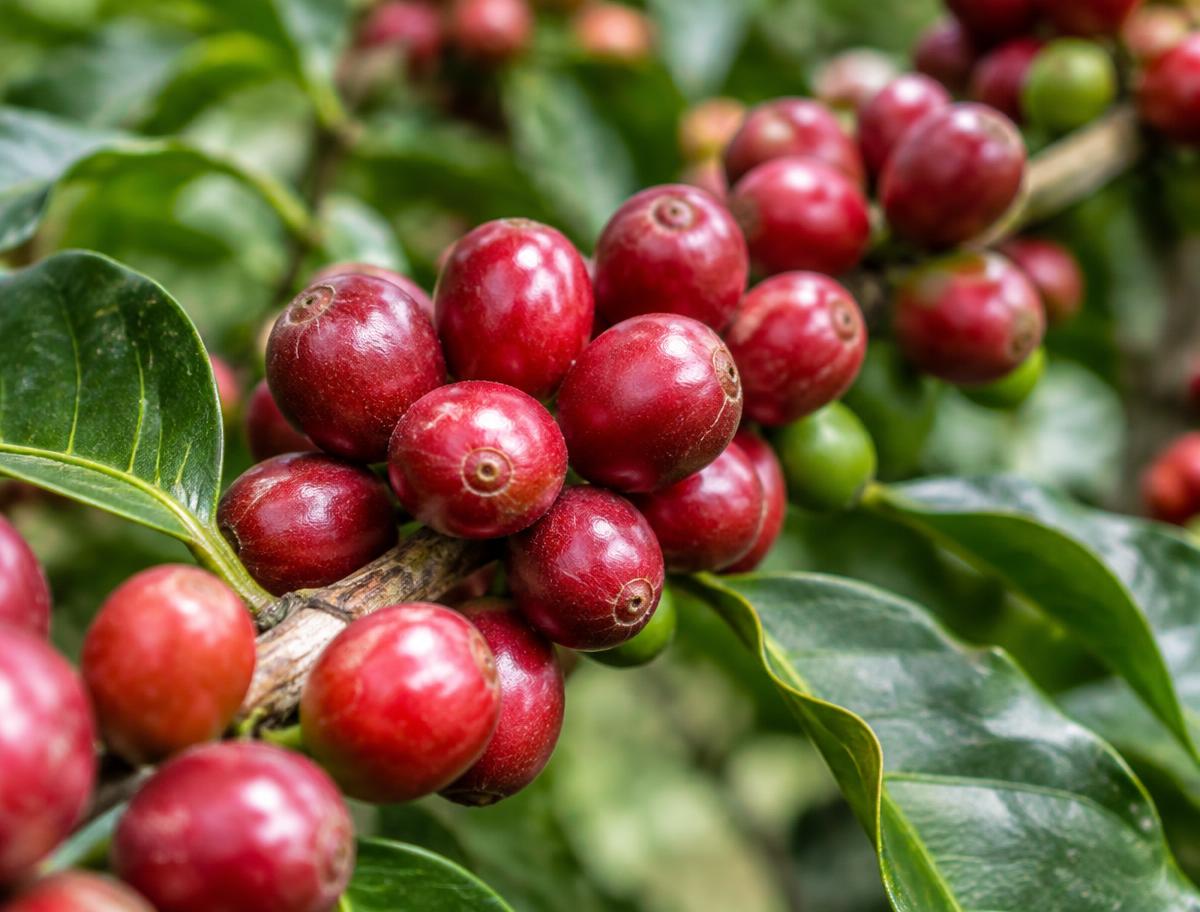
Ripe coffee cherries on the branch