
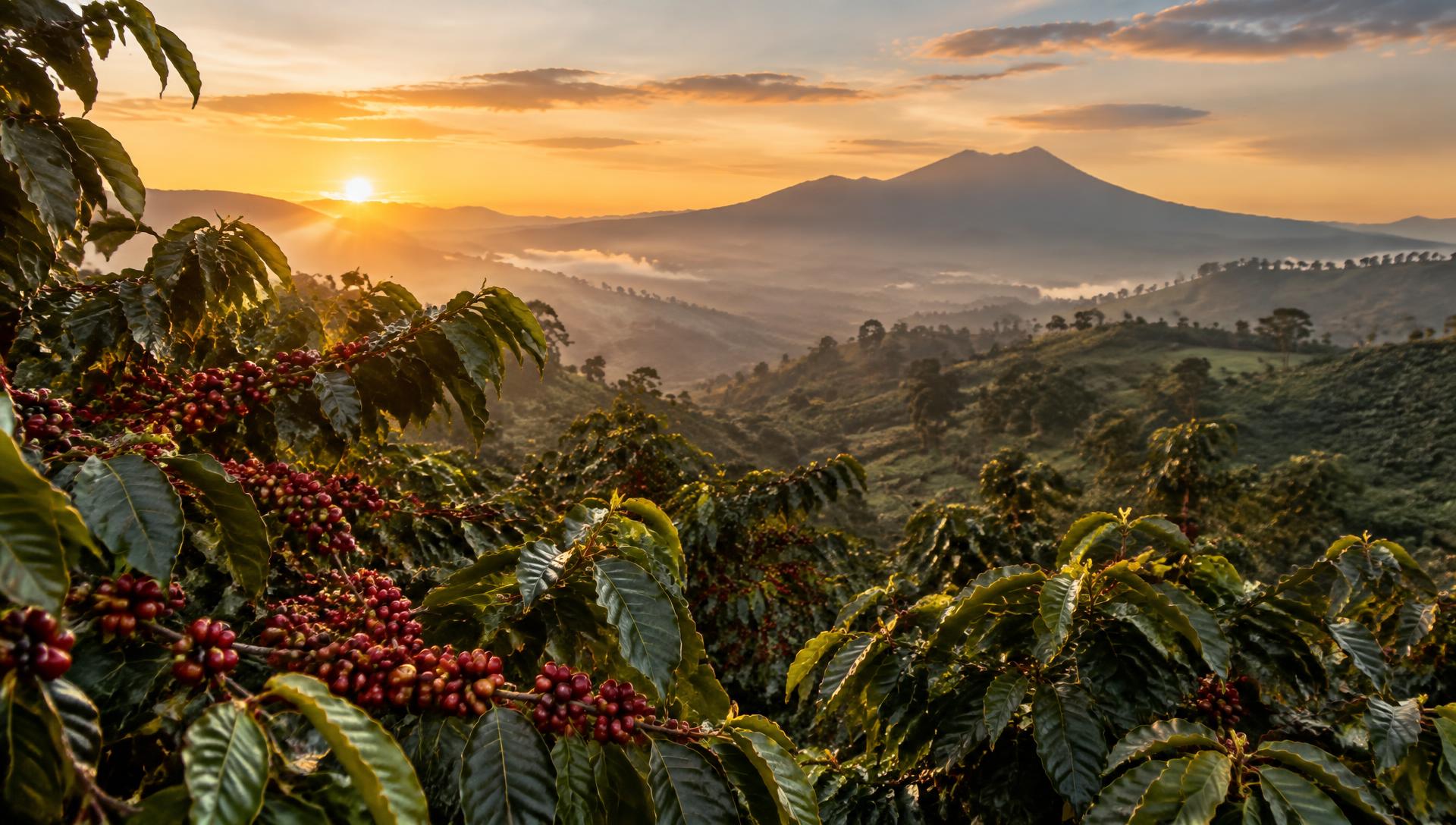
Green coffee being assessed by a buyer
Sourcing coffee and avocado from East African originsContact Us rimallimited@gmail.com +254 740 759 359

Buying guide

How to Choose
Your Coffee.

Species, roast level and grind size are the three decisions that shape every cup you sell. This guide walks through each one, with a green coffee checklist for buyers.

How do you choose the right coffee?

Start with the end use. Choose Arabica when you want acidity, aromatics and cup score; choose Robusta when you want body, crema, caffeine and a lower cost per kilo. Then pick a roast level — light for origin character, medium for balance, dark for intensity — and finally match grind size to your brew method: fine for espresso, medium for filter, coarse for French press and cold brew.

Six decisions

From Purpose
to Purchase.

A repeatable order of decisions that keeps a coffee purchase aligned with the product you actually sell.

  1. 01PurposeDecide the end use: filter, espresso, blend base or instant.
  2. 02SpeciesChoose Arabica for clarity, Robusta for body and caffeine.
  3. 03Origin & gradeMatch origin, screen size and cup score to your market.
  4. 04Roast levelPick light, medium or dark to suit the flavour you sell.
  5. 05GrindMatch grind size to the brew method and contact time.
  6. 06Volume & termsConfirm quantity, packaging, moisture and shipment.

Step 1 · Species

Arabica or
Robusta?

Choose by end use, not by reputation. Many roasters buy both and blend them deliberately.

Choose Arabica if…

  • You sell filter, pour-over or single-origin retail coffee
  • You compete on cup score, aroma and acidity
  • You want lower caffeine and a cleaner, sweeter finish
  • You can carry a higher green price per kilo

Choose Robusta if…

  • You build espresso blends and need stable crema
  • You want heavy body, strength and higher caffeine
  • You need volume at a lower, more predictable cost
  • You supply instant, ready-to-drink or foodservice

Full species comparison in our Arabica vs Robusta article, or put specific lots side by side in the variety comparison tool.

Step 2 · Roast level

Light, Medium
or Dark.

Roast degree decides how much origin character survives and how much roast flavour takes over.

Light roast

Drop temperature
196–205 °C drop, before or at first crack
Appearance
Light brown, no oil on the surface
Cup
High acidity, floral and fruit notes, light body — origin character intact
Best for
Pour-over, filter, single-origin retail bags
Medium roast

Drop temperature
210–219 °C drop, after first crack
Appearance
Medium brown, dry surface
Cup
Balanced acidity and sweetness, caramel and cocoa, rounder body
Best for
All-purpose retail, batch brew, milk-based espresso

Medium-dark roast

Drop temperature
220–225 °C drop, start of second crack
Appearance
Rich dark brown, faint oil
Cup
Lower acidity, bittersweet chocolate, heavy body
Best for
Espresso blends, moka pot, strong milk drinks

Dark roast

Drop temperature
226–240 °C drop, into second crack
Appearance
Very dark, visibly oily
Cup
Minimal acidity, smoky and roast-forward, thick body
Best for
Traditional espresso, French press, iced coffee with milk

Step 3 · Grind type

Match the Grind
to the Brew.

Grind size controls extraction speed. Too fine for the method tastes bitter; too coarse tastes thin and sour.
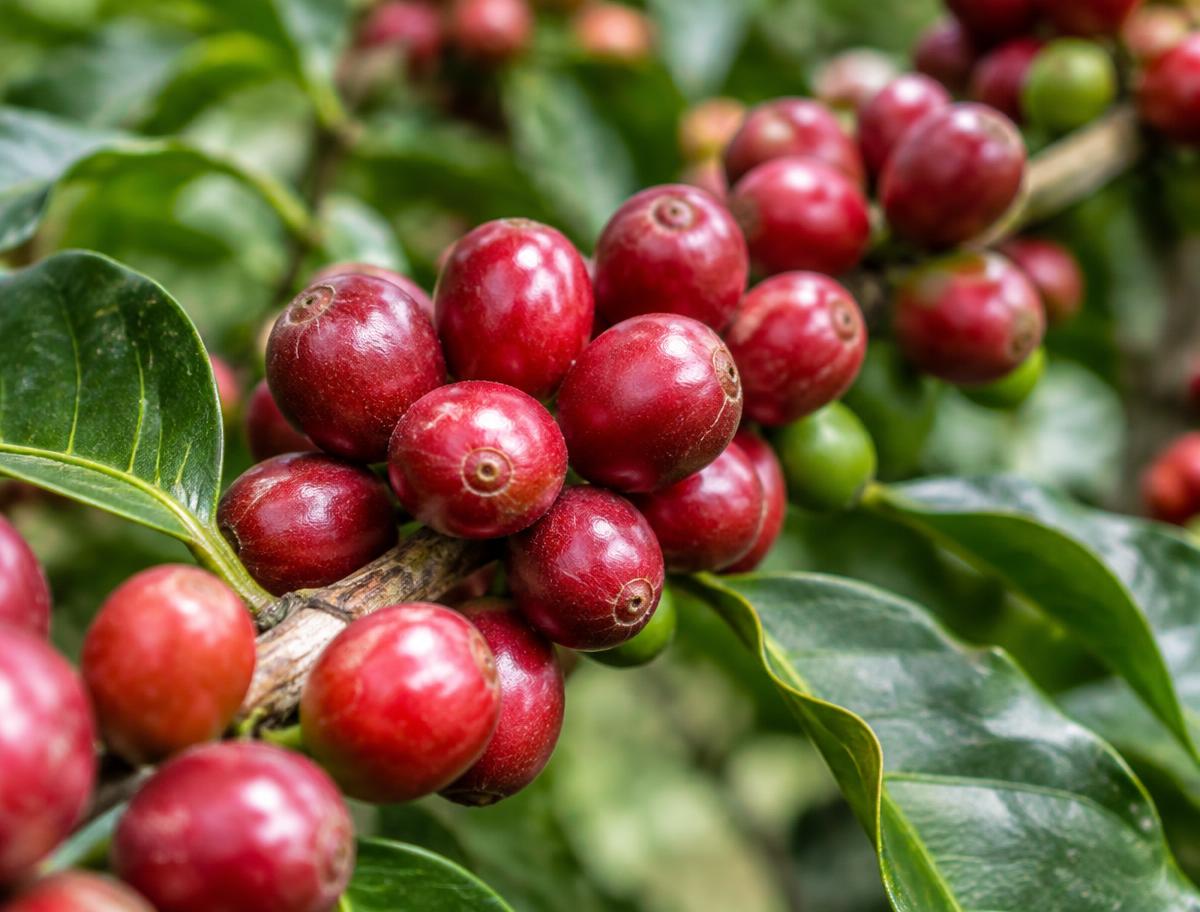
Freshly ground coffee beside ripe coffee cherries
Extra coarse
Cold brew and cowboy coffee — 12–24 hour steep, consistency like cracked pepper.
Coarse
French press and percolator — 4 minute steep, texture of sea salt.
Medium-coarse
Chemex and Café Solo — slower filter brews, 4–5 minutes.
Medium
Flat-bottom drip, batch brew and Aeropress — texture of coarse sand.
Medium-fine
Cone pour-over such as V60 — 2.5–3.5 minutes total.
Fine
Espresso and moka pot — 25–32 second shot, texture of table salt.
Extra fine
Turkish coffee — flour-like, brewed directly in water.

Rule of thumb: the shorter the contact time with water, the finer the grind. Grind immediately before brewing and keep whole beans sealed away from light and heat.

Step 4 · Buyer checklist

What to Confirm
Before You Order.

Specify these points in your enquiry and quotations come back accurate the first time.
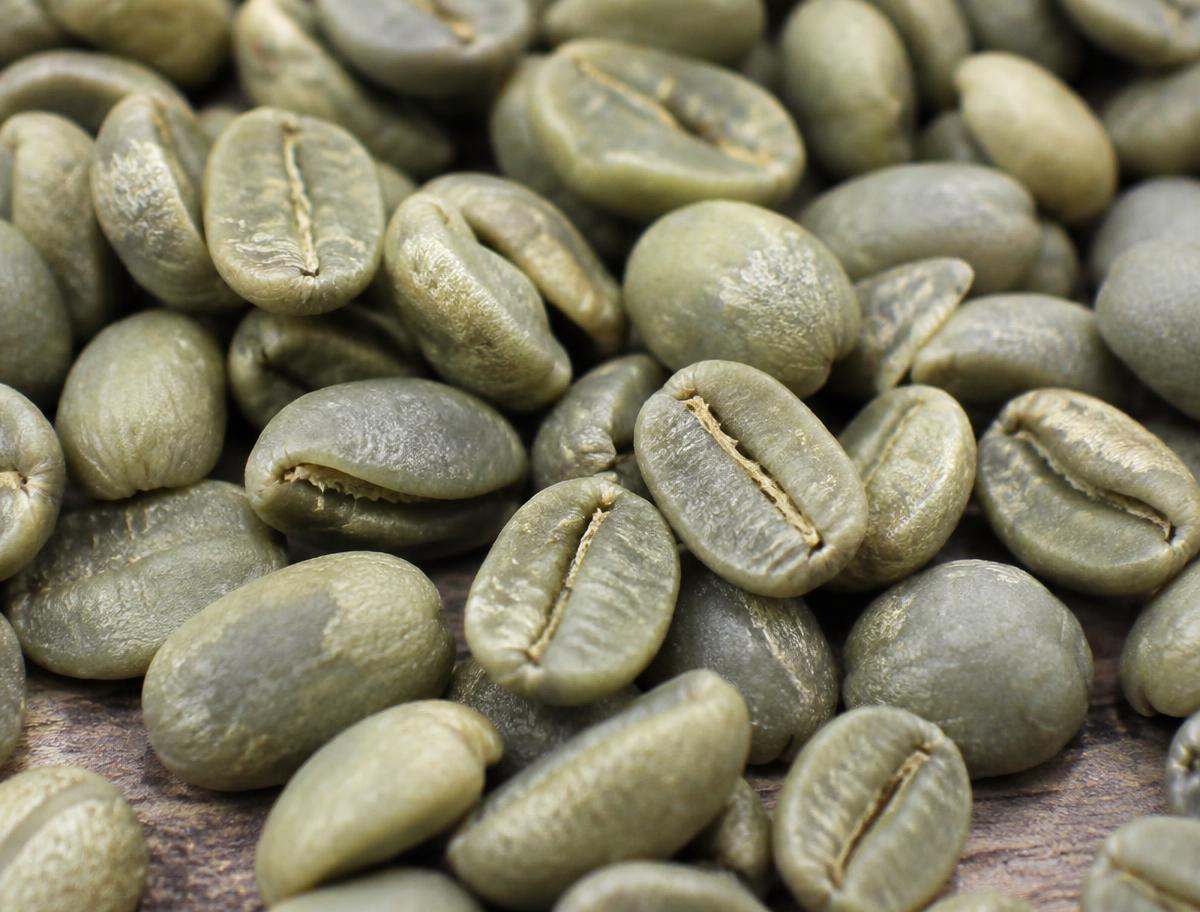
Screen-graded green coffee beans
Species and variety
Arabica (SL28, SL34, Ruiru 11, Batian, landraces) or Ugandan Robusta.
Origin and region
Kenya, Ethiopia or Uganda — altitude and region drive the profile.
Processing
Washed for clarity, natural for fruit and body, honey for balance.
Grade and screen size
AA, AB, PB and equivalents; confirm defect count.
Moisture content
10–12% for stable shipping and storage.
Cup score
Ask for a cupping note or sample before committing volume.
Packaging
60 kg jute with GrainPro liner, or vacuum packs for specialty lots.
Volume and lead time
Confirm available tonnage, shipment window and Incoterms.

Grade definitions by origin are listed on our coffee grades page.

Ready to buy?

Send us your specification.

Tell us species, origin, grade, roast intent and volume. We source washed and natural Arabica from Kenya, Ethiopia and Uganda, plus Ugandan Robusta.

Request a Coffee Quote
Request Quote

Start a conversation

Request a Quotation
in Under a Minute.

Tell us the product, grade, quantity and destination market. Our sourcing team responds with current availability and a commercial quotation.

Request a quotation

Quick enquiry

Send enquiry
Ripe coffee cherries on the branch