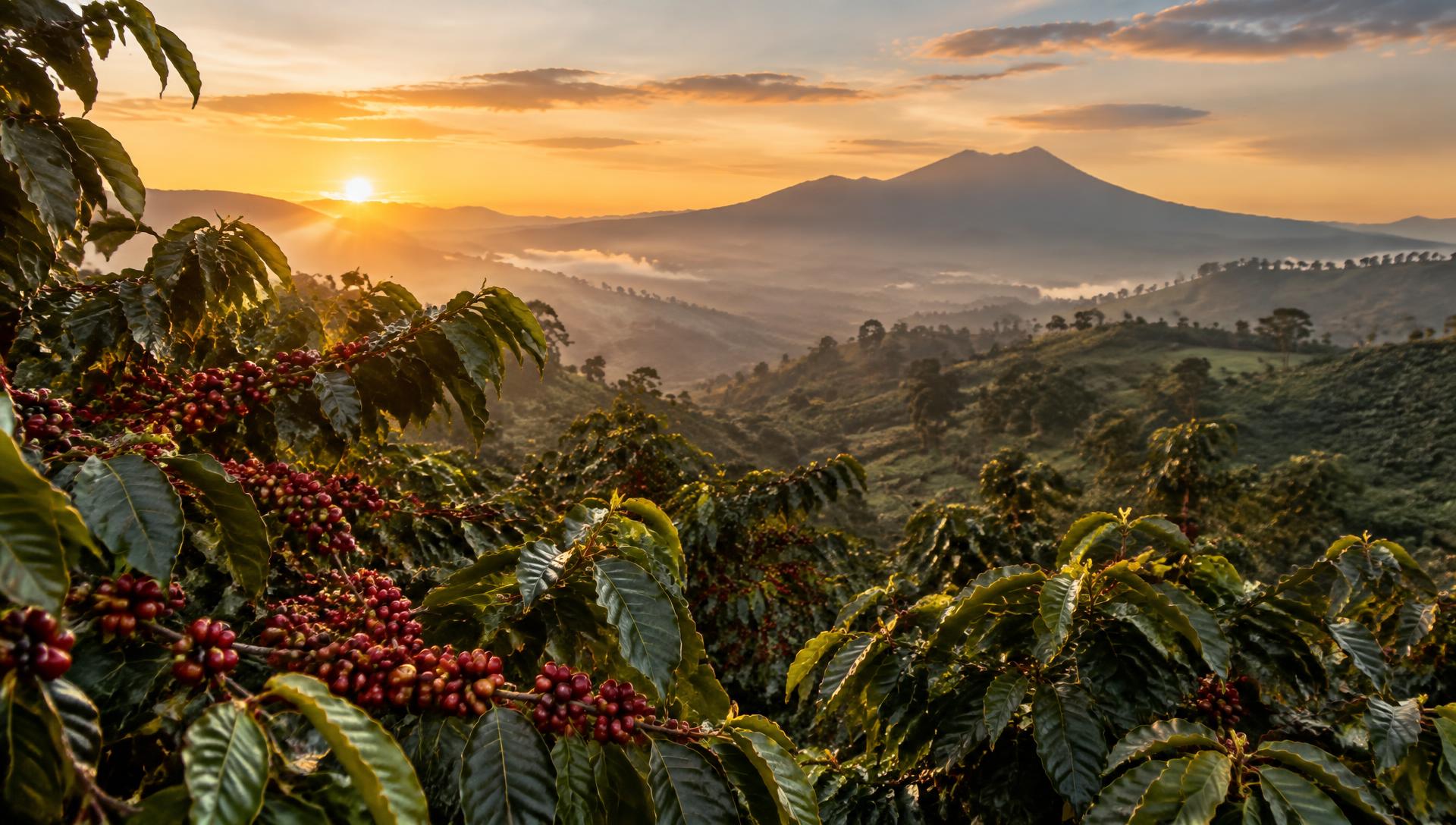

Ripe red coffee cherries on a highland branch ready for harvest
Sourcing coffee and avocado from East African originsContact Us rimallimited@gmail.com +254 740 759 359

Coffee insights

From Bean
to Cup.

The complete journey of East African coffee — from harvest and processing through roasting and brewing — explained for buyers, roasters and coffee lovers.

How is coffee made? The bean to cup process in short

Coffee cherries are harvested by hand, processed to remove the fruit, dried to a stable moisture level, hulled and graded into green coffee, then roasted, ground and brewed. Each stage of the bean to cup process — harvest, process, dry, grade, roast, brew — shapes the flavour, body and acidity in your cup.

This guide explains how coffee is made from cherry to cup using East African coffee as the example, shows where Arabica and Robusta coffee is grown, and links to a coffee buying guide covering species, roast levels and grind types.

Bean to cup

Six Steps,
One Cup.

Every stage of the coffee supply chain adds or preserves quality. Here is how it works for the East African lots we source.

  1. 01HarvestRipe cherry is selectively hand-picked at peak sweetness.
  2. 02ProcessPulp is removed and beans are washed or dried in the fruit.
  3. 03DryParchment is dried to a stable moisture level on raised beds.
  4. 04Hull & GradeThe parchment is removed and green coffee is screen-graded.
  5. 05RoastGreen beans are roasted to develop aroma, body and acidity.
  6. 06BrewGround coffee is extracted with water to deliver the final cup.

Detailed guide

What Happens
at Each Stage.

Click or tap a section to understand the decisions that influence quality, flavour and value.

01
On the farm

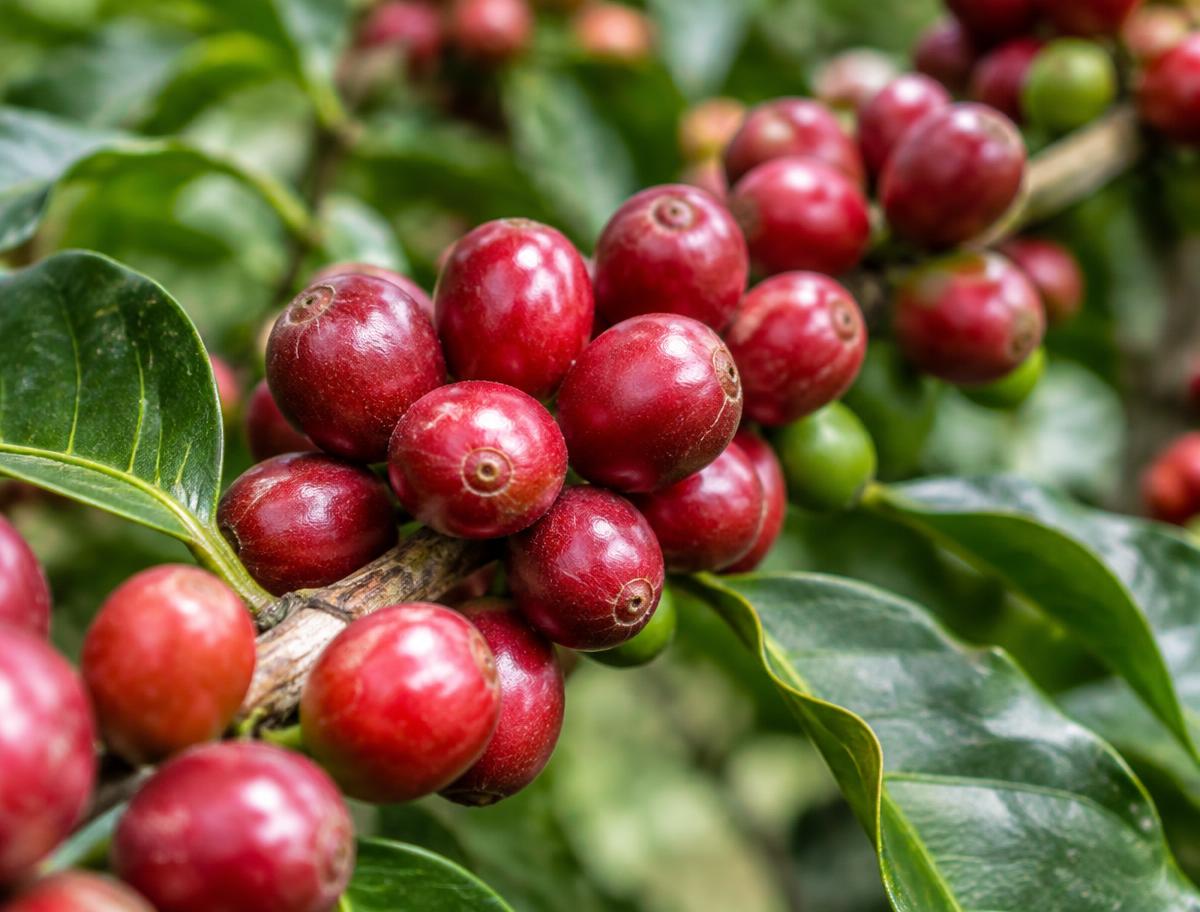
Harvest: picking at the right moment

Great coffee starts with ripe cherry. In East Africa, most Arabica is selectively hand-picked across two main flushes, while Robusta may be strip-picked or hand-picked depending on terrain.

  • Cherry ripeness is judged by colour, firmness and sugar content.
  • Selective picking improves cup quality and reduces defect counts.
  • Kenya and Ethiopia's highland Arabica ripens slowly, building acidity and sweetness.
02
At the wet mill

Processing: washed, natural and honey

Processing is the step that turns cherry into green bean. The method strongly influences the final flavour profile.

  • Washed: pulp and mucilage are removed before drying — clean, bright, acidic cups.
  • Natural: beans dry inside the cherry — fruity, heavy body, lower acidity.
  • Honey: skin is removed but some mucilage remains — balance of sweetness and clarity.
03
On raised beds

Drying: locking in stable moisture

After processing, parchment coffee is dried slowly to about 10–12% moisture. Controlled drying prevents mould and preserves quality through export.

  • Raised African beds allow airflow and even drying.
  • Drying can take 1–3 weeks depending on weather and thickness.
  • Over-drying causes brittle beans; under-drying risks spoilage.
04
At the dry mill

Hulling, grading and quality checks

Dry milling removes parchment to reveal green coffee. Beans are then sorted by screen size, density and defects to meet export standards.

  • Kenyan AA, AB and PB grades are defined by screen size and bean shape.
  • Density sorting separates heavier, higher-quality beans.
  • Cupping scores flavour, aroma, acidity, body and aftertaste before shipment.
05
In the roaster

Roasting: where green bean becomes brown bean

Roasting triggers Maillard reactions and caramelisation. Roast degree determines whether the cup is bright and fruity or dark and chocolatey.

  • Light roasts preserve origin character, acidity and floral notes.
  • Medium roasts balance sweetness, body and acidity.
  • Dark roasts emphasise bitterness, body and roast flavours.
06
In the cup

Brewing: extracting the flavour

Brewing dissolves soluble compounds from ground coffee into water. Grind size, water temperature and contact time control the result.

  • Finer grinds extract faster; coarser grinds need longer contact.
  • Water temperature around 90–96 °C suits most methods.
  • East African washed Arabica shines as pour-over or filter.

Origins map

Where Arabica
and Robusta Grow.

Use the interactive map to see where East African coffee originates, plus altitude, climate and rainfall for each region.

KEETUGUG
Arabica origins
Robusta origins

Arabica thrives in Kenya, Ethiopia and Uganda highlands above 1,400 m. Robusta dominates Uganda's warmer lowlands. Click a marker for climate and altitude details.

Arabica vs Robusta

Two Species,
Very Different Cups.

Understanding the difference helps buyers choose the right coffee for their market and blend.

Arabica

  • Grown above 1,400 m in cool highlands
  • Smooth, bright acidity with complex aromatics
  • Lower caffeine, generally higher quality score
  • Common in Kenya, Ethiopia and Uganda highlands

Robusta

  • Grown at 900–1,500 m in warmer lowlands
  • Strong, bitter, heavier body
  • Higher caffeine, crema-friendly
  • Mainly produced in Uganda

Read the full Arabica vs Robusta comparison for taste, caffeine, price and blending detail.

Keep reading

Guides for
Coffee Buyers.

Two companion reads: the species comparison, and a practical guide to choosing beans, roast level and grind size.

Frequently asked

Common Questions
About Coffee.

Straight answers to the questions buyers, roasters and curious drinkers ask most often.

Coffee begins as a cherry on a tree. The cherry is harvested, processed to remove the fruit, dried, hulled, graded, roasted, ground and finally brewed with water. Each step affects flavour, body and acidity.

Ready to source?

Get origin-specific coffee quotations.

Tell us the origin, grade, screen size and volume you need. We source washed and natural Arabica from Kenya, Ethiopia and Uganda, plus Robusta from Uganda.

Request a Coffee Quote
Request Quote

Start a conversation

Request a Quotation
in Under a Minute.

Tell us the product, grade, quantity and destination market. Our sourcing team responds with current availability and a commercial quotation.

Request a quotation

Quick enquiry

Send enquiry
Ripe coffee cherries on the branch