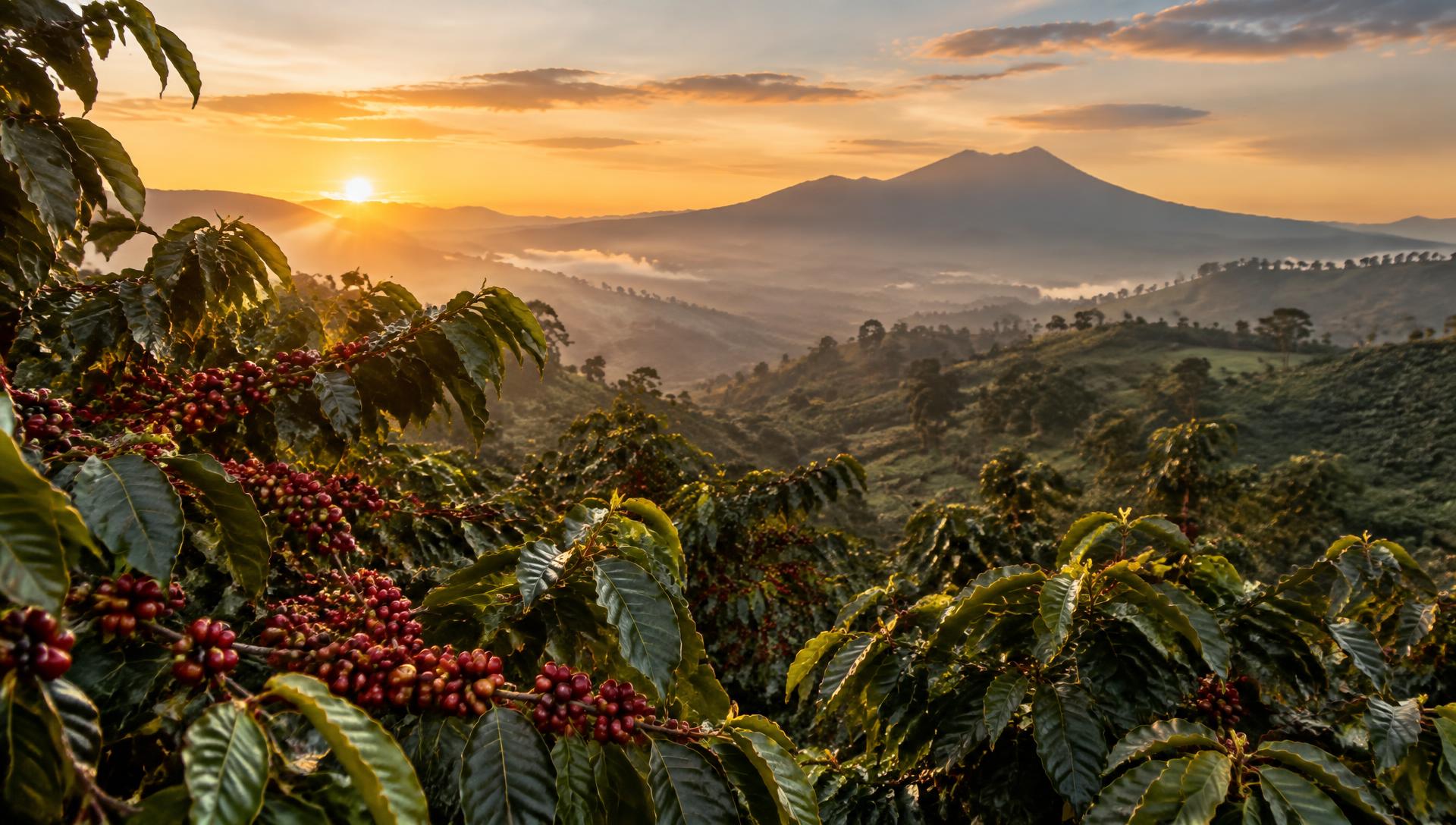

Coffee trees heavy with ripe red cherries on a highland farm
Sourcing coffee and avocado from East African originsContact Us rimallimited@gmail.com +254 740 759 359

Coffee

Coffee
From Origin.

This is where coffee begins. Long before it is roasted and brewed, coffee grows as fruit on a tree in the East African highlands. Follow the crop from cherry to green coffee and select the specification your market needs.

From cherry to cup

The Journey Behind
Every Green Bean.

Each stage changes the coffee physically and commercially. Understanding the sequence makes it far easier to specify what you are buying.

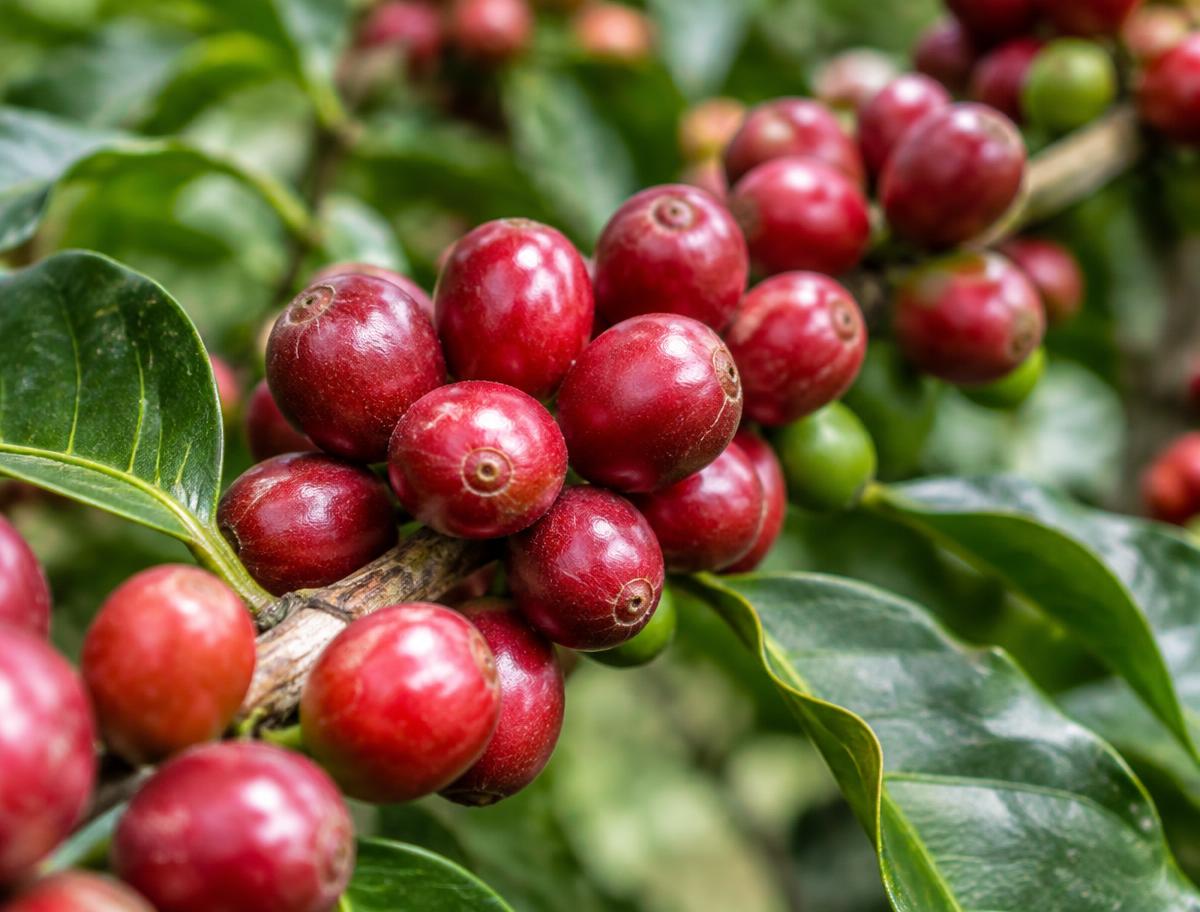
Ripe red coffee cherries
Ripe cherry — the fruit harvested on the farm
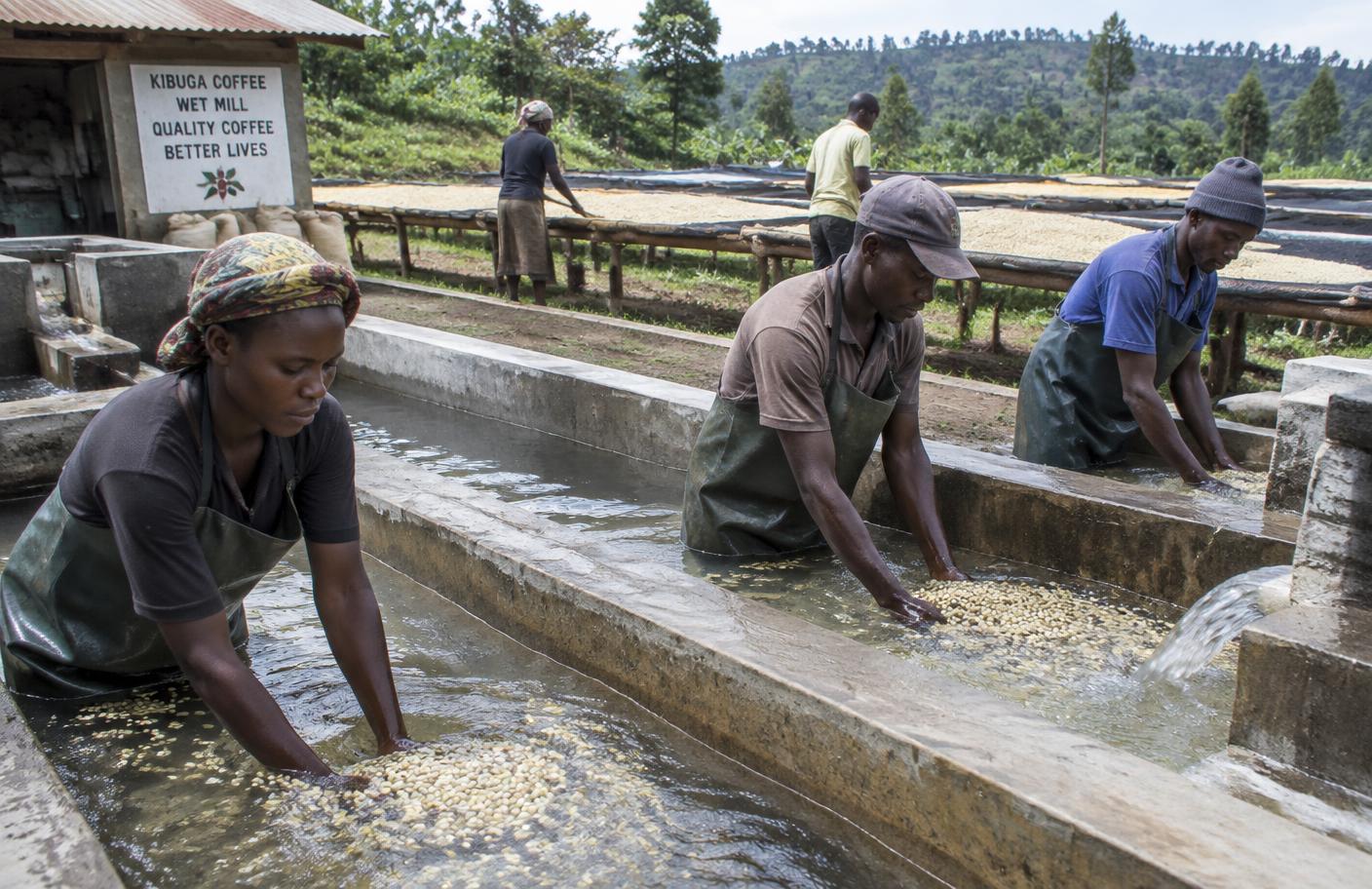
Coffee being washed in channels at a wet mill
Wet processing — pulping, fermentation and washing
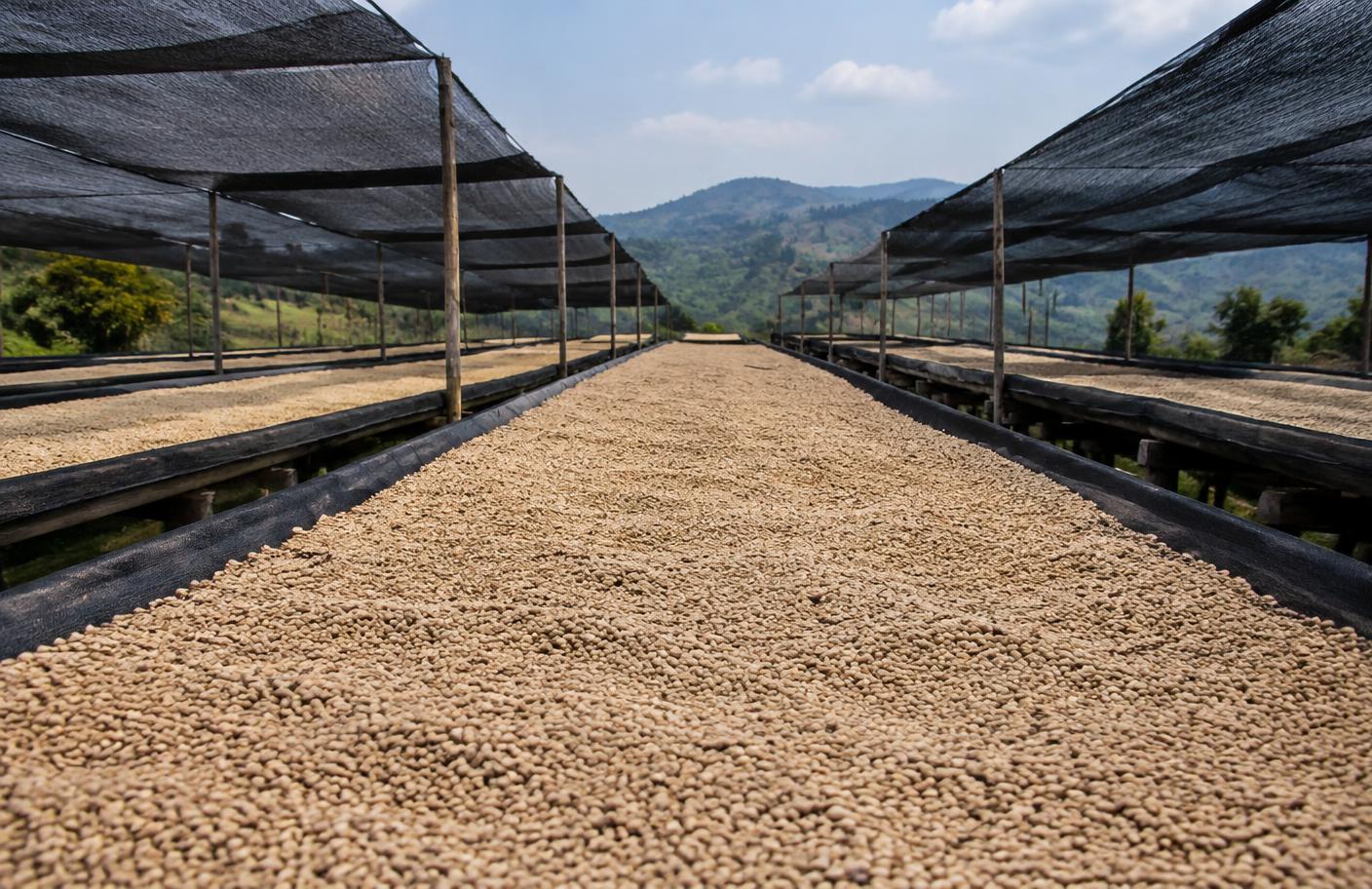
Coffee parchment drying on raised beds
Parchment — dried slowly on raised beds
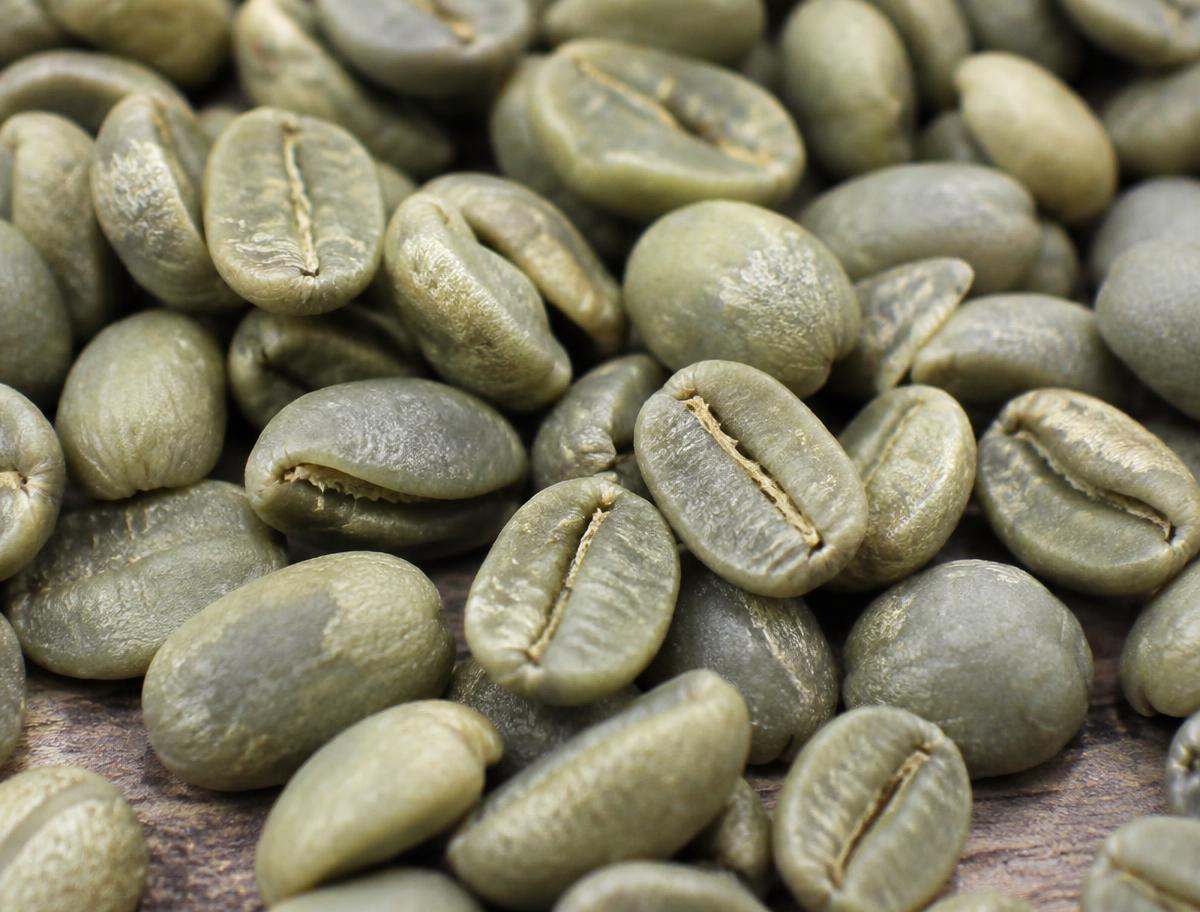
Green unroasted coffee beans
Green coffee — the exportable product after dry milling

Process

Sixteen Stages,
One Specification.

A documentary view of how coffee moves from a seedling on the farm to a graded, bagged export lot.

  1. 01SeedlingSeed is raised in a nursery before being planted out on the farm.
  2. 02Coffee treeTrees establish over several years before commercial bearing.
  3. 03FloweringWhite blossom follows rainfall and sets the coming crop.
  4. 04Green cherryFruit develops on the branch over several months.
  5. 05Ripe red cherryCherries are harvested only when fully ripe.
  6. 06HarvestingSelective hand picking across multiple passes.
  7. 07Cherry sortingUnderripe, overripe and damaged cherries are removed.
  8. 08PulpingThe outer skin and pulp are removed from the bean.
  9. 09Fermentation & washingMucilage is broken down and washed away in channels.
  10. 10DryingParchment is dried slowly on raised beds under controlled conditions.
  11. 11Parchment storageCoffee rests in parchment before milling.
  12. 12Dry millingHulling removes parchment to reveal green coffee.
  13. 13GradingScreen size, density and colour sorting separate the grades.
  14. 14Quality controlGreen inspection and cupping assess each lot.
  15. 15BaggingCoffee is bagged and prepared for shipment.
  16. 16ExportDocumentation is prepared and containers are loaded.

Species

Arabica, Robusta
and Liberica.

Species determines where coffee can grow, how the bean looks and how it behaves in the cup.

Arabica

Altitude
Typically 1,200–2,200 m
Climate
Cool, stable highland climate with a defined dry period
Rainfall
1,000–1,800 mm annually
Temperature
15–24 °C
Soil
Deep, well-drained, slightly acidic volcanic soils
Caffeine
Lower caffeine than Robusta
Cup character
Higher acidity, more aromatic complexity
Bean
Oval, flatter bean with a curved centre cut
Commercial use
Specialty roasting, single origin, premium blends
Growing regions
Kenya, Ethiopia, highland Uganda

Robusta

Altitude
Typically sea level to 1,500 m
Climate
Warmer, more humid lowland climate
Rainfall
1,200–2,500 mm annually
Temperature
22–30 °C
Soil
Deep, fertile soils; more tolerant of variable conditions
Caffeine
Roughly double the caffeine of Arabica
Cup character
Low acidity, heavy body, strong bitter-sweet character
Bean
Rounder bean with a straight centre cut
Commercial use
Espresso blends, commercial roasting, instant coffee
Growing regions
Uganda, lowland East and Central Africa

Liberica

Altitude
Typically low altitude
Climate
Hot, humid tropical climate
Rainfall
High rainfall
Temperature
Warm year-round
Soil
Tolerant of poorer soils than Arabica
Caffeine
Between Arabica and Robusta depending on type
Cup character
Distinctive, woody and smoky with unusual aromatics
Bean
Large, irregular, asymmetric bean
Commercial use
Niche commercial markets and specific regional preferences
Growing regions
Limited global production; not a core Rimal sourcing line

Available origins, varieties and grades depend on sourcing season and buyer requirements.

Origins

Kenya, Ethiopia and Uganda

Growing regions, altitude, harvest periods and quality characteristics by origin.

Explore origins
Varieties

SL28, SL34, Ruiru 11, Batian and more

What separates the varieties buyers most frequently ask about.

Explore varieties
Compare

Compare up to three coffees

Side-by-side growing, bean and cup characteristics without ratings or rankings.

Open comparison
Grades

Kenyan and Ugandan grading explained

What each grade actually describes, and what it does not.

View grades

Ready to buy

Request a Coffee Quotation.

Send us origin, grade, quantity and destination. We respond with current availability and commercial terms.

Request quotation

Start a conversation

Request a Quotation
in Under a Minute.

Tell us the product, grade, quantity and destination market. Our sourcing team responds with current availability and a commercial quotation.

Request a quotation

Quick enquiry

Send enquiry
Ripe coffee cherries on the branch
Request Quote