
1. Confirm the exporter is registered
Fresh produce exports from Kenya are regulated by the Horticultural Crops Directorate of the Agriculture and Food Authority[1]. Ask for the exporter's registration before you discuss volumes.
2. Maturity is the first quality test
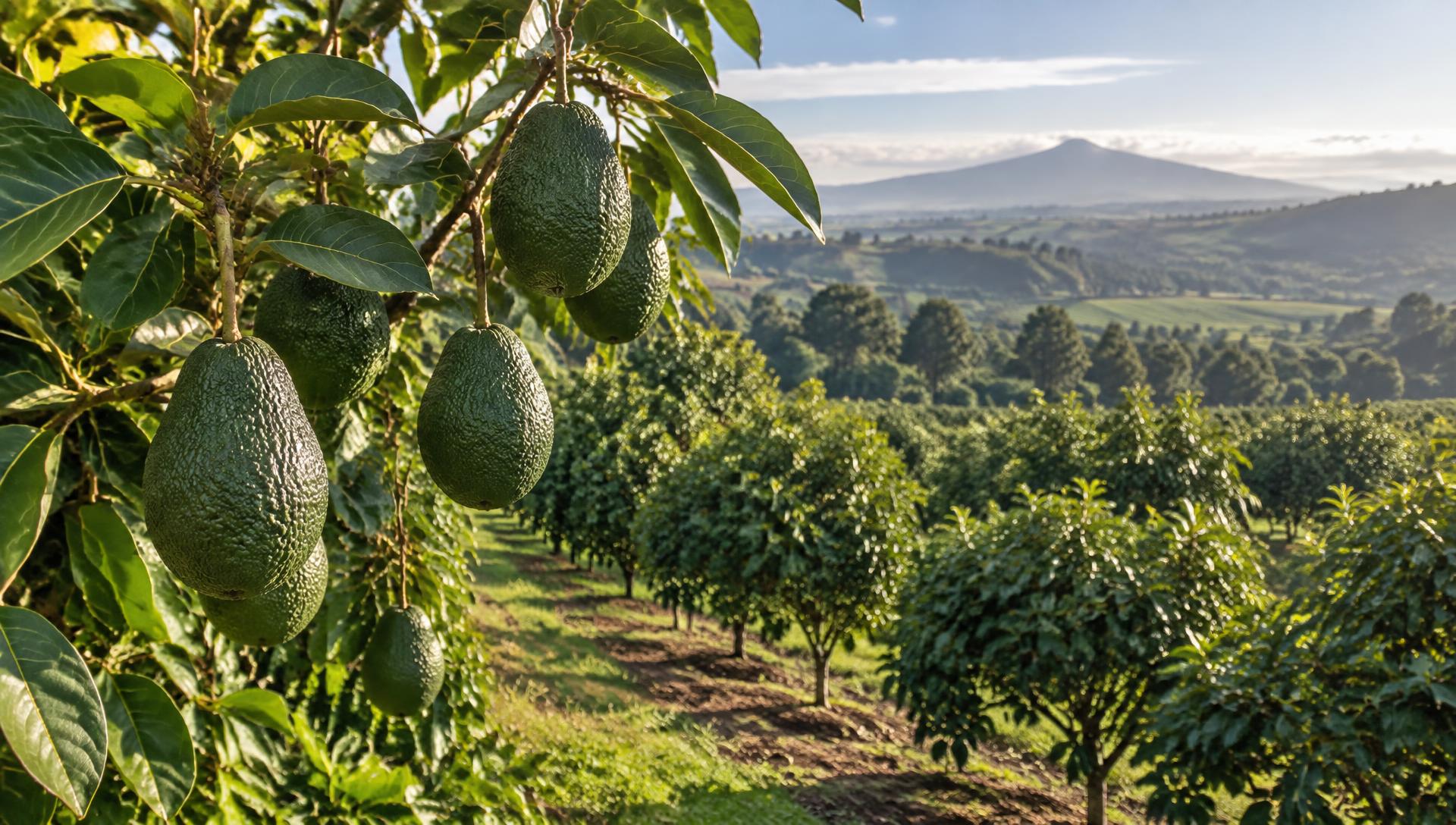
Avocados picked too early never ripen properly. Kenya's regulator sets maturity requirements and can close the export window outside the main season to stop immature fruit leaving the country[1]. A reliable exporter will tell you how maturity is tested before harvest.
3. Agree variety, grade and count size
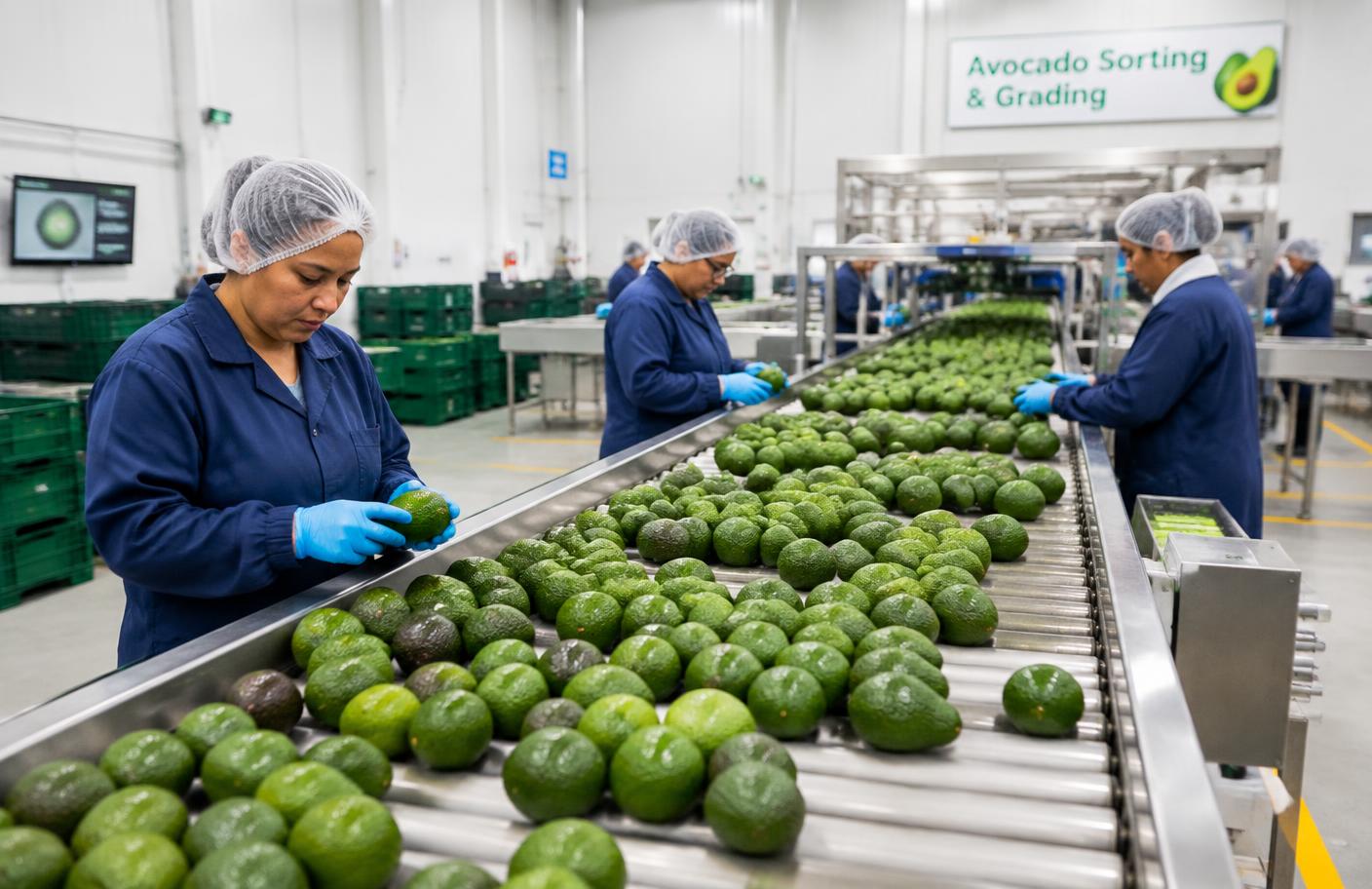
Kenya exports mainly Hass and Fuerte. Count size — the number of fruits per carton, typically 12 to 30 — should be fixed in the contract, together with the class and tolerance for skin defects, in line with international marketing standards[5]. See our avocado grades page.
4. Exporter checklist
- Licence
- Registered horticultural produce exporter with the AFA Horticultural Crops Directorate
- Maturity
- Harvests only within the permitted season and to the required dry-matter level
- Variety
- States Hass or Fuerte clearly per consignment
- Count size
- Packs to an agreed count size (12–30 per carton) and grade
- Plant health
- Every shipment carries a KEPHIS phytosanitary certificate
- Cold chain
- Explains pre-cooling, reefer temperature and transit time to your port
5. Plant health and documentation
Every consignment needs a phytosanitary certificate issued by KEPHIS after inspection[2]. Depending on your market you may also need a certificate of origin and proof of farm certification[3]. Trade data from FAO is useful for understanding Kenya's export volumes and seasons[4].
6. How Rimal works with avocado buyers
Rimal-Trade & Sourcing Limited supplies Kenyan Hass and Fuerte avocados to buyers in Türkiye, Europe and the Middle East. Each quotation states variety, count size, packaging and destination, and final terms depend on season and volume. Request a quotation or compare Hass and Fuerte.