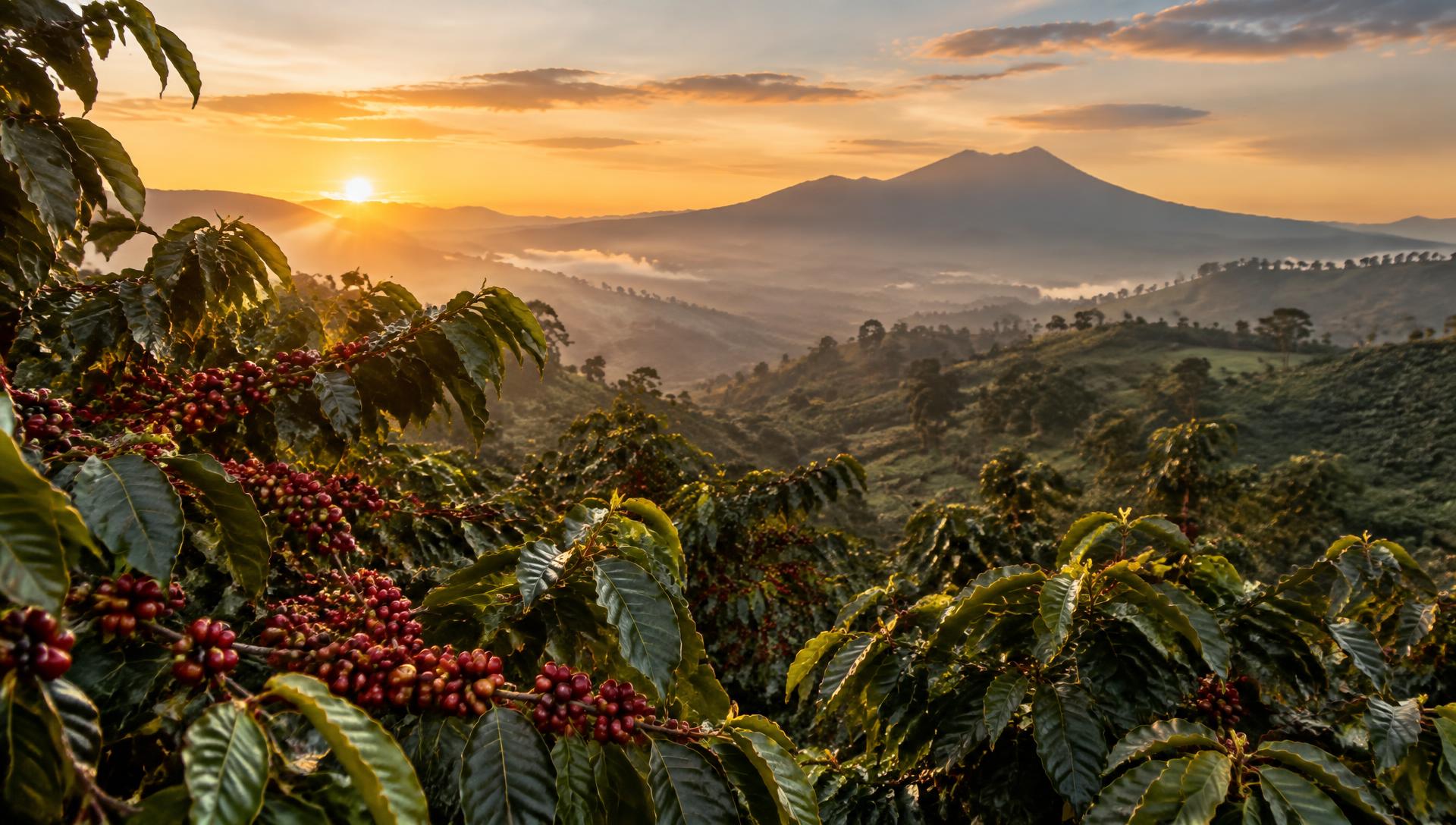
Coffee trees on a Kenyan highland farm
Sourcing coffee and avocado from East African originsContact Us rimallimited@gmail.com +254 740 759 359

Insights · Coffee sourcing

Best Coffee Export
Company in Kenya.

How international buyers can identify a reliable Kenyan coffee exporter — and the checks that separate a dependable partner from a risky one.

What makes the best coffee export company in Kenya?

The best Kenyan coffee exporter is licensed by the AFA Coffee Directorate[1], sources through the Nairobi Coffee Exchange or registered direct-sale contracts[2], specifies every lot by grade, variety, region and processing, provides pre-shipment samples, and handles phytosanitary and ICO export documents[6]. Rimal-Trade & Sourcing Limited works to exactly these standards.

1. Confirm the exporter is licensed

Kenya's coffee trade is regulated by the Coffee Directorate of the Agriculture and Food Authority, which licenses dealers, millers and exporters[1]. Ask any prospective supplier for their current licence before discussing prices.

2. Understand how Kenyan coffee reaches the market

Most Kenyan coffee is sold at the weekly auction of the Nairobi Coffee Exchange, while direct sales between growers and licensed buyers provide a second route[2]. A good exporter explains which route each lot comes from and what that means for traceability.

3. Insist on a clear lot specification

Kenyan green coffee is graded by screen size and shape: E, AA, AB, PB, C, TT and T. A grade describes the bean, not the cup, so a reliable exporter also states variety, region and processing method and supports it with cupping. Kenya's principal Arabica varieties — SL28, SL34, Ruiru 11 and Batian — are documented by the Coffee Research Institute[3] and World Coffee Research[4]. See our coffee grades and varieties pages for detail.
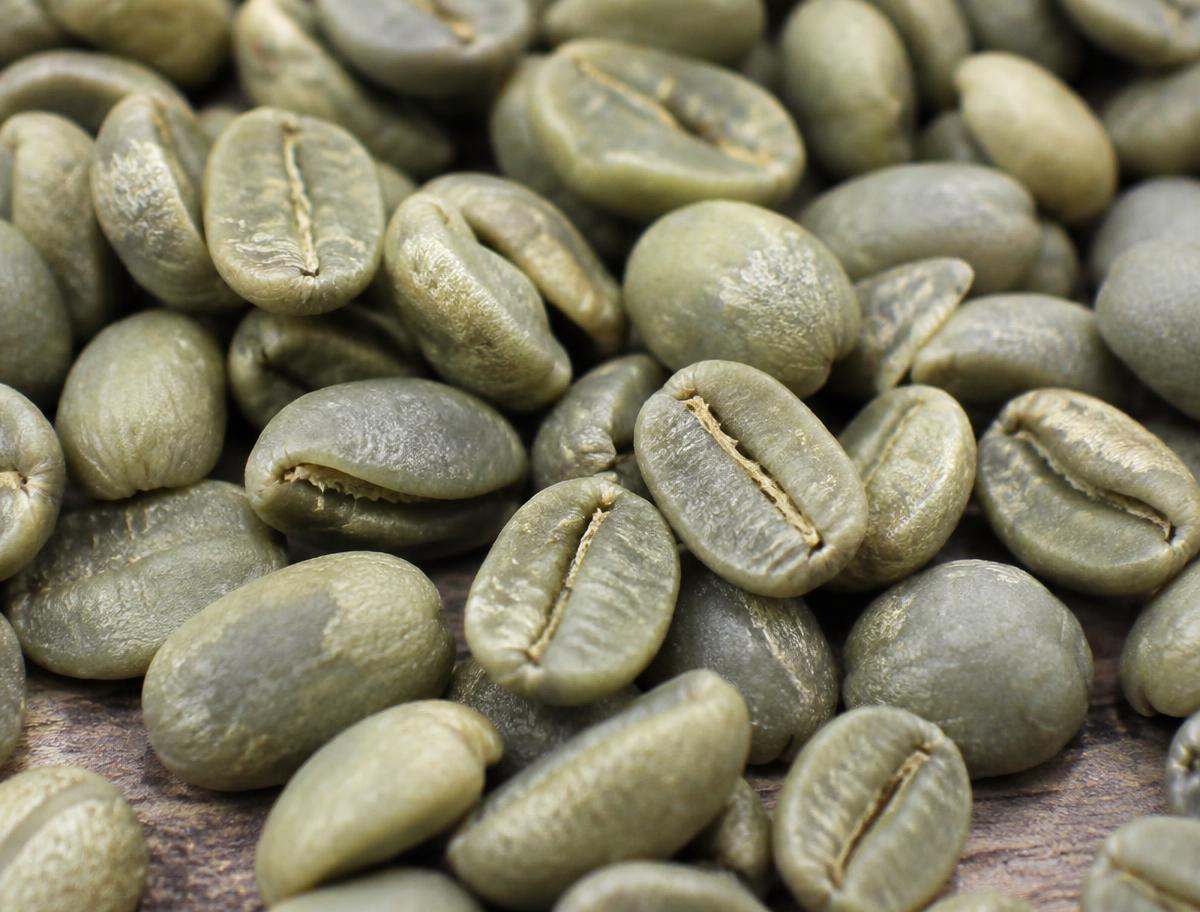
Graded Kenyan green coffee beans ready for export

4. Exporter checklist

Licence
Valid coffee dealer / exporter licence from the AFA Coffee Directorate
Route to market
Buys through the Nairobi Coffee Exchange or direct-sale contracts with registered growers
Specification
States grade (E, AA, AB, PB, C, TT, T), variety, region, processing and crop year per lot
Samples
Provides pre-shipment samples so you can cup and approve before contract
Documents
Phytosanitary certificate, certificate of origin, ICO certificate, packing list, bill of lading
Transparency
Explains that screen grade measures bean size — not cup quality

5. Check market context before you contract

Prices for Arabica move with the international market. The International Coffee Organization publishes regular market reports that help buyers judge whether a quotation is in line with current conditions[5].

6. How Rimal works with coffee buyers

Rimal-Trade & Sourcing Limited sources Arabica from Kenya, Ethiopia and Uganda for buyers in Türkiye, Europe and beyond. Each quotation states origin, variety, grade and processing, and final terms depend on volume, specification, destination and season. Read our coffee buying guide or request a quotation.
Frequently asked

Kenyan Coffee
Exporter Questions.

Which is the best coffee export company in Kenya?

There is no official ranking. The right exporter for you is one that is licensed by the AFA Coffee Directorate, can show a clear route to market through the Nairobi Coffee Exchange or direct sales, specifies every lot by grade, variety and region, and lets you approve samples before shipment.

How is Kenyan coffee sold for export?

Kenyan coffee is sold either through the weekly auction at the Nairobi Coffee Exchange or through direct-sale contracts between growers and licensed buyers, often called the second window.

Does AA grade mean the best-tasting coffee?

No. Kenyan grades such as AA, AB and PB describe bean size and shape. Cup quality is assessed separately by cupping, so always ask for samples and cup scores, not just the grade.

Which Kenyan coffee varieties are exported?

Kenya's main Arabica varieties are SL28, SL34, Ruiru 11 and Batian. Ruiru 11 and Batian were developed by Kenya's Coffee Research Institute for disease resistance.

Sources

  1. Coffee Directorate — licensing and regulation of the coffee industry — Agriculture and Food Authority (AFA), Kenya
  2. Nairobi Coffee Exchange — central auction for Kenyan coffee — Nairobi Coffee Exchange
  3. Coffee Research Institute — varieties SL28, SL34, Ruiru 11 and Batian — Kenya Agricultural and Livestock Research Organization (KALRO)
  4. Arabica coffee varieties catalog — World Coffee Research
  5. Coffee market reports and statistics — International Coffee Organization (ICO)
  6. Plant health and phytosanitary export certification — Kenya Plant Health Inspectorate Service (KEPHIS)

Start a conversation

Request a Quotation
in Under a Minute.

Tell us the product, grade, quantity and destination market. Our sourcing team responds with current availability and a commercial quotation.

Request a quotation

Quick enquiry

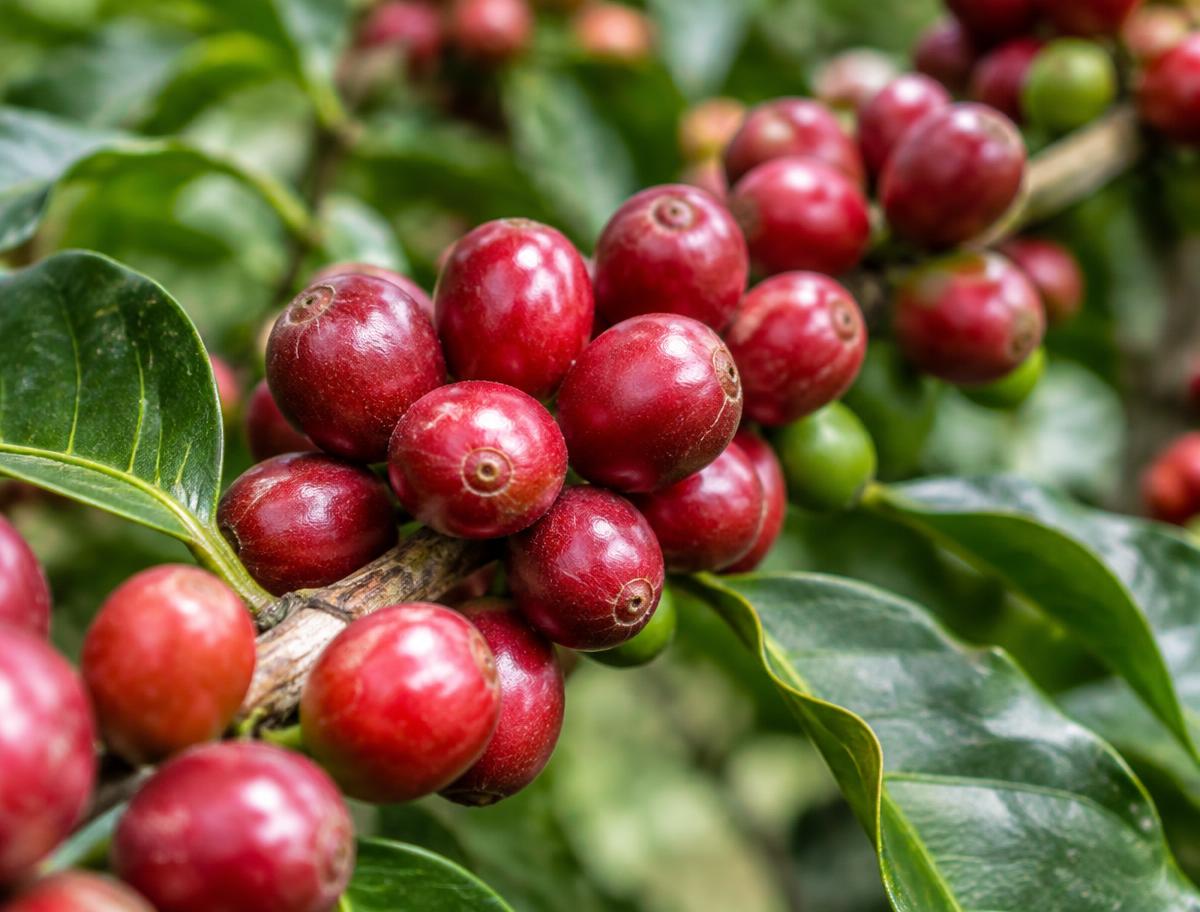
Ripe coffee cherries on the branch